
In an increasingly complex and dynamic business landscape, managing risks and driving sustainable growth are paramount to the success of any organization. Data analysis emerges as a key tool in this endeavor, enabling businesses to identify potential risks, make informed decisions, and seize opportunities for development. By harnessing the power of data analysis, companies can mitigate uncertainties, optimize operations, and pave the way for long-term success.
Identifying and Assessing Risks:
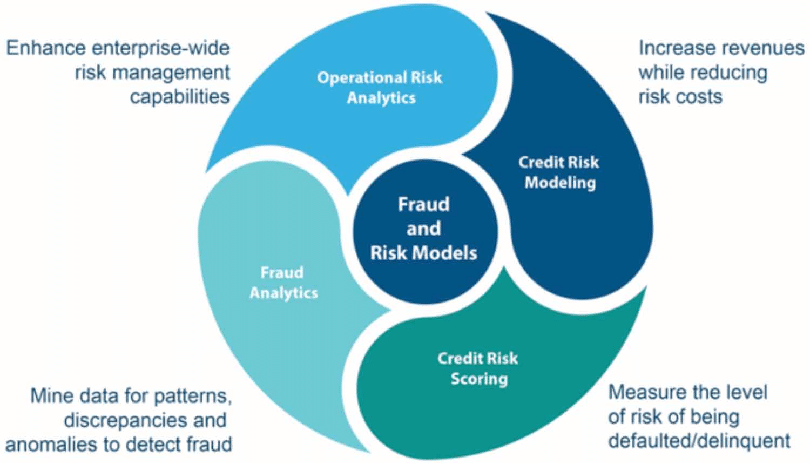
Data analysis plays a pivotal role in identifying and assessing risks across various aspects of business operations. By analyzing historical data, industry trends, and market indicators, organizations can proactively identify potential risks and vulnerabilities. Whether it’s financial risks, operational disruptions, regulatory compliance, or reputational hazards, data analysis helps quantify and prioritize risks, enabling businesses to develop effective risk mitigation strategies.
Predictive Analytics for Risk Forecasting:
Predictive analytics, a powerful component of data analysis, allows businesses to anticipate and forecast potential risks. By leveraging historical and real-time data, AI algorithms can identify patterns and correlations, enabling organizations to predict future risks with greater accuracy. This proactive approach empowers businesses to implement preventive measures, allocate resources efficiently, and reduce the negative impact of potential risks on their operations.
Enhancing Decision-Making:
Data analysis equips decision-makers with valuable insights that guide strategic decision-making processes. By analyzing large datasets and extracting meaningful information, organizations can make data-driven decisions, minimizing the reliance on intuition or guesswork. Data analysis enables businesses to assess the potential impact of various scenarios, evaluate alternative strategies, and select the most optimal course of action. In risk management, data analysis helps in evaluating the cost-benefit trade-offs associated with different risk mitigation strategies, ensuring resource allocation aligns with business objectives.
Business Development and Growth Opportunities:
Data analysis not only helps mitigate risks but also uncovers growth opportunities for businesses. By analyzing market trends, customer behavior, and competitive landscapes, organizations can identify emerging trends and market gaps. Data analysis enables businesses to tailor their products or services to meet customer demands effectively, develop targeted marketing campaigns, and make informed investments. Furthermore, data analysis facilitates performance monitoring and evaluation, providing insights into the effectiveness of business development initiatives.
Continuous Improvement and Adaptability:
Data analysis contributes to a culture of continuous improvement and adaptability within organizations. By collecting and analyzing operational data, businesses can identify inefficiencies, bottlenecks, and areas for improvement. This data-driven approach allows organizations to optimize processes, enhance productivity, and reduce costs. Furthermore, data analysis helps businesses stay agile and responsive in a rapidly evolving marketplace, enabling them to adapt their strategies, operations, and risk management approaches to changing conditions.
Conclusion:
In an era characterized by uncertainty and fierce competition, harnessing the power of data analysis is essential for effective risk management and business development. By leveraging data analysis techniques, organizations can proactively identify and assess risks, predict future challenges, and make informed decisions. Moreover, data analysis uncovers growth opportunities, enables continuous improvement, and fosters adaptability within businesses. Embracing data analysis as a core component of risk management and business development strategies empowers organizations to navigate uncertainties, seize opportunities, and thrive in a rapidly evolving business landscape.
I’m Jaafar Elmkaiel
Thank you for reading

 MK For Data Analytics & Cyber Security